What Is Osteotomy for Joint Preservation?
Osteotomy for joint preservation is a type of surgery. Doctors use it to help protect and save joints, such as the knee or hip. This surgery is often chosen when joints are damaged but not fully worn out. For many people, it can delay or prevent the need for a full joint replacement. In fact, joint preservation surgery aims to relieve pain and improve movement. According to the American Academy of Orthopaedic Surgeons, osteotomy is a well-known option for younger or active patients with joint pain.
How Does Osteotomy Work?
During an osteotomy, a surgeon cuts and reshapes the bone near a damaged joint. As a result, the weight on the joint shifts to a healthier area. This can help reduce pain and slow down joint damage. For example, in a knee osteotomy, the surgeon may remove or add a wedge of bone. This changes how the knee lines up and moves. Because the joint is better aligned, it can work more smoothly. Most often, this surgery is done under anesthesia in a hospital or surgical center.
Who May Benefit from Osteotomy?
Not everyone is a candidate for osteotomy. However, some people may benefit more than others. Doctors look for certain signs before recommending this joint preservation surgery. Common candidates include:
Still, your doctor will decide if you are a good fit. They will check your age, activity level, and joint health. In some cities, access to skilled orthopedic surgeons may affect your options. Always ask about local resources and support.
Common Symptoms and Conditions Treated
Osteotomy for joint preservation is used for several joint problems. Most often, it helps with early arthritis or uneven joint wear. Common symptoms and conditions include:
For example, people with knee osteoarthritis may notice pain when climbing stairs. Others may feel discomfort after sports or daily activities. Early treatment can help protect the joint and improve quality of life.
Diagnosis and Evaluation Process
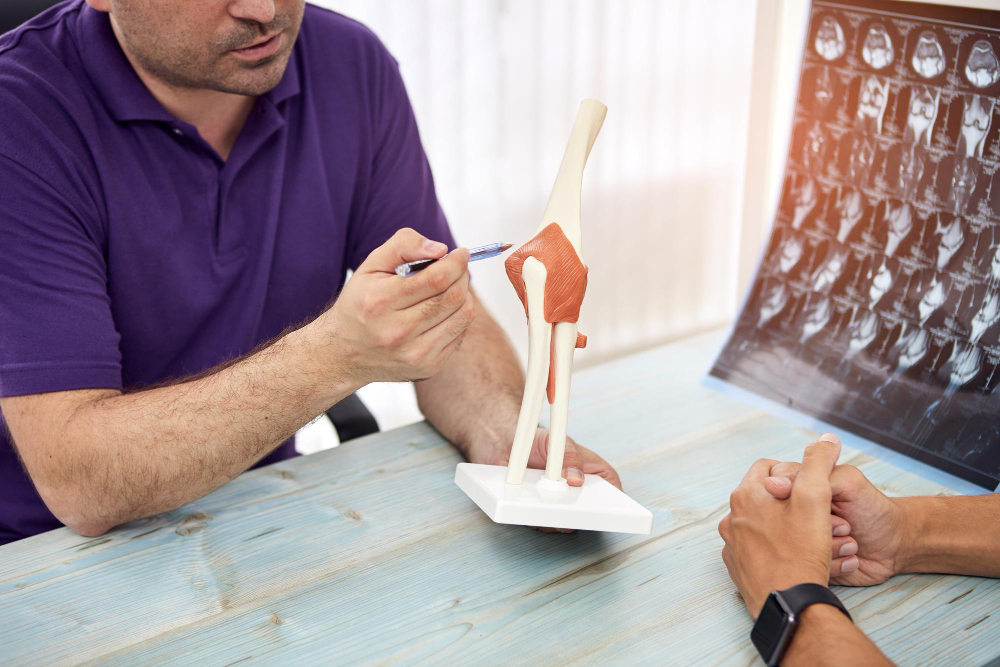
First, your doctor will ask about your symptoms and health history. Next, they will do a physical exam to check your joint movement and strength. Often, X-rays or MRI scans are needed to see the bones and soft tissues. These images help doctors find the exact problem and plan the best treatment. Sometimes, blood tests are used to rule out other causes of joint pain. According to the CDC, early diagnosis is key for joint health. If you have ongoing pain, seek care from an orthopedic specialist.
Treatment Options and Surgical Procedure
Osteotomy is one of several joint preservation options. Other treatments may include:
If these do not help, your doctor may suggest surgery. During osteotomy, the surgeon makes a cut in the bone near the joint. They may remove or add a wedge of bone to change the joint’s angle. Metal plates or screws hold the bone in place while it heals. Most patients stay in the hospital for one or two days. After surgery, you will need crutches or a walker for a few weeks.
Recovery and Lifestyle Guidance
Osteotomy recovery takes time and care. Right after surgery, you will rest and keep weight off the joint. Physical therapy starts soon to help you regain strength and movement. Most people return to daily activities in three to six months. However, full healing can take up to a year. To support recovery, follow these tips:
For many, osteotomy recovery leads to less pain and better movement. According to peer-reviewed orthopedic journals, most patients are satisfied with their results.
Prevention and Long-Term Joint Health
Even after joint preservation surgery, it is important to care for your joints. Good habits can help you avoid future problems. For long-term joint health, try these tips:
Additionally, regular checkups help spot problems early. The World Health Organization recommends protecting joint health at every age. With the right care, you can keep your joints working well for years to come.
Conclusion
If you have joint pain or want to know if osteotomy is right for you, reach out to Siva ‘s Ortho & Sports Injury Clinic. Our team can guide you through your options and support your joint health.