What Is Muscle Soreness?
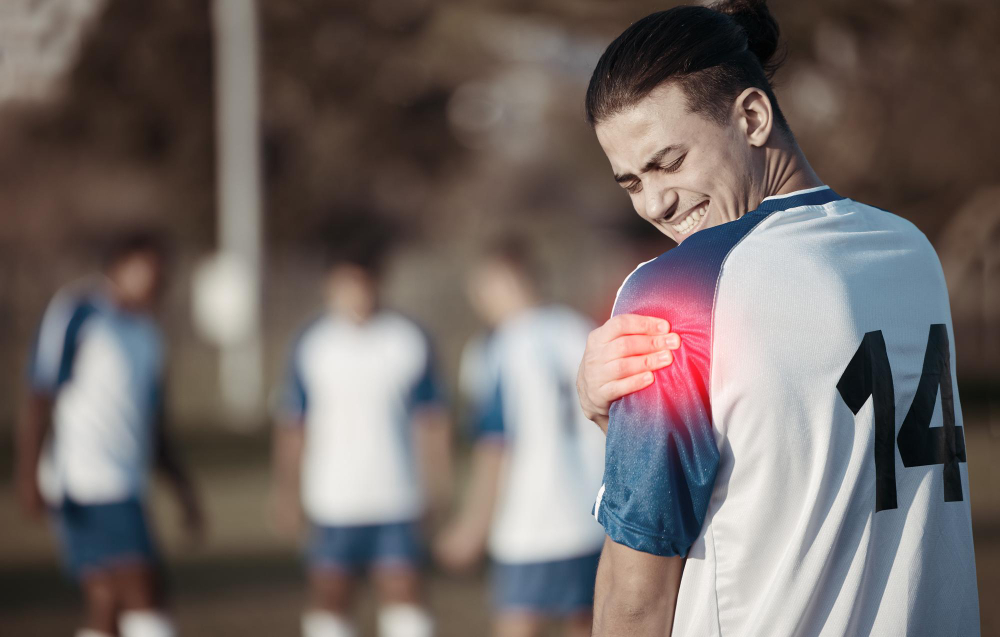
After exercise, many people feel aches in their muscles. This feeling is called muscle soreness. Often, it starts a few hours after activity. For example, you may notice it the day after a workout. Muscle soreness is common, especially if you try new exercises or push yourself harder. Usually, it means your muscles are getting stronger. According to the CDC, mild soreness is a normal part of exercise. However, it should not stop you from moving.
What Is a Sports Injury?
On the other hand, a sports injury is damage to your body from exercise or sports. This can happen suddenly, like a sprained ankle, or over time, like a stress fracture. Sports injuries are not just sore muscles. Instead, they often involve joints, bones, or tendons. The CDC notes that common sports injuries include sprains, strains, and broken bones. While some injuries heal quickly, others may need medical care.
Key Differences Between Muscle Soreness and Sports Injuries
It can be hard to know the difference between sports injury and muscle soreness. Yet, there are clear signs to watch for. For instance, muscle soreness:
But a sports injury:
Therefore, knowing these signs helps you tell if you have a sports injury or just normal soreness.
Common Symptoms to Watch For
Sometimes, it is hard to tell muscle soreness vs injury symptoms apart. Still, you can look for these signs:
Because these symptoms differ, paying attention to your body is important.
When to Seek Medical Attention
Although most soreness is safe, some signs mean you should see a doctor. For example, seek help if you:
According to the CDC, quick care can prevent long-term problems. So, do not wait if you notice these signs.
Tips for Recovery and Prevention
While muscle soreness often goes away on its own, you can help your body heal. For example, try these tips:
Because prevention is key, always listen to your body. If you notice pain, stop and rest. This can help you avoid injury and enjoy safe exercise.
Conclusion
If you are unsure about your pain or have symptoms that worry you, Siva ‘s Ortho & Sports Injury Clinic is here to help. Book a consultation today for expert advice and care tailored to your needs.