
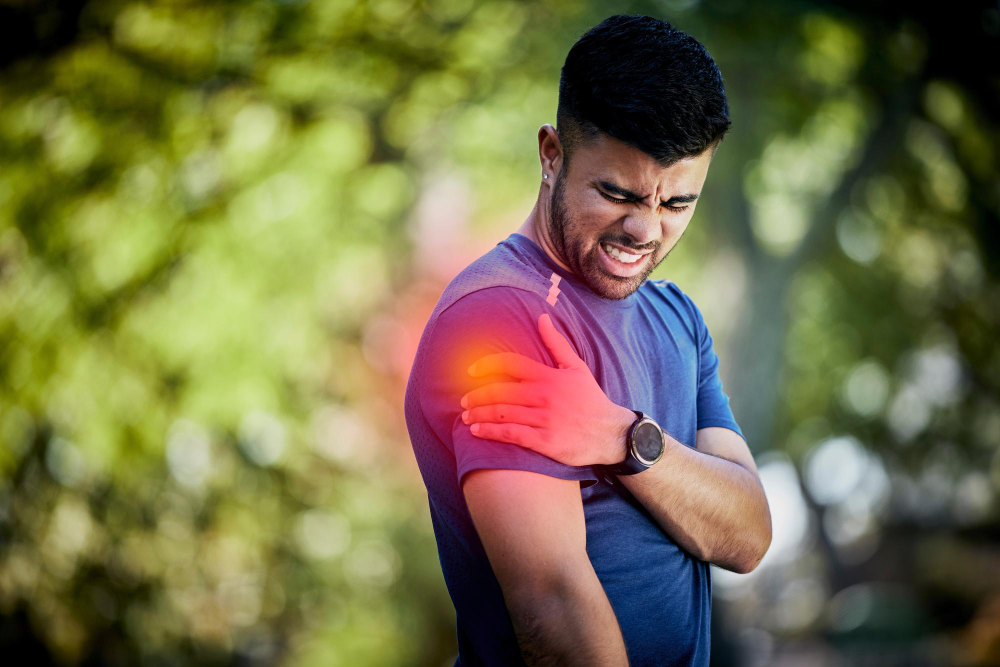
What Is a SLAP Tear?
A SLAP tear is a type of shoulder labrum injury. The labrum is a ring of cartilage that helps keep your shoulder joint stable. When the top part of this cartilage tears, doctors call it a SLAP tear. This injury often affects athletes and people who use their arms for overhead activities. For example, baseball players, swimmers, and weightlifters can be at higher risk. Because the shoulder is used in many sports, SLAP tears are a common athletic shoulder injury.
Common Symptoms of a SLAP Tear
Not every SLAP tear causes the same symptoms. However, many people notice changes in how their shoulder feels or moves. In many cases, symptoms can be mild at first but get worse over time. Common SLAP tear symptoms include:
Sometimes, pain may come and go. Yet, if you notice these signs, it is important to seek medical advice.
Causes and Risk Factors
SLAP tears can happen for several reasons. Often, they result from sudden injuries or repeated stress. For instance, falling on an outstretched arm can cause a SLAP tear. In addition, athletes who throw or lift overhead are more likely to develop this injury. Other risk factors include:
Because the shoulder is a complex joint, even small injuries can lead to bigger problems over time.
How SLAP Tears Are Diagnosed
Doctors use several steps to diagnose a SLAP tear. First, they will ask about your symptoms and how the injury happened. Next, a physical exam helps check your shoulder’s strength and movement. Sometimes, doctors use imaging tests to see the labrum more clearly. These tests may include:
Early diagnosis can help prevent further damage. Therefore, seeing a healthcare provider soon after symptoms start is wise.
Treatment Options for SLAP Tears
SLAP tear treatment options depend on the severity of the injury. For mild cases, doctors often suggest non-surgical care first. Common treatments include:
However, if symptoms do not improve, surgery may be needed. In many cities, you can find SLAP tear treatment in specialized sports medicine clinics. Surgery usually involves repairing the torn labrum. After surgery, physical therapy is important for full recovery.
Recovery and Lifestyle Tips
Recovering from a SLAP tear takes time and patience. Even with the best care, healing can take several weeks or months. To help your recovery, consider these tips:
With the right approach, many people return to their normal activities after a SLAP tear.
Preventing SLAP Tears in Athletes
Although not all shoulder injuries can be prevented, you can lower your risk. For athletes, shoulder injury prevention is key. Try these steps to protect your shoulders:
For example, working with a coach or trainer can help you learn safe techniques. In addition, regular check-ups with a healthcare provider can catch early signs of injury. According to the CDC and leading sports medicine experts, early action can help keep your shoulders healthy and strong.