Introduction
Reverse shoulder replacement is a special type of surgery for people with severe shoulder problems. Doctors may suggest this procedure when other treatments do not help. Many people ask about reverse shoulder replacement recovery and surgery risks. In this blog, you will learn about the symptoms, causes, procedure, and how to prevent further injury. If you are thinking about reverse shoulder replacement in your area, this guide can help you understand what to expect.
What is Reverse Shoulder Replacement?
Reverse shoulder replacement is a surgery that replaces the damaged parts of your shoulder joint. Unlike a standard shoulder replacement, the ball and socket parts are switched. This means the ball is attached to the shoulder blade, and the socket is placed on the upper arm bone. As a result, this design helps people who have weak or torn shoulder muscles. It also helps those with severe arthritis or failed previous surgeries.
Symptoms Indicating the Need for Surgery
Some signs may show you need reverse shoulder replacement. If you notice these symptoms, talk to your doctor:
Often, these symptoms make daily tasks hard. For example, you may struggle to dress or reach overhead.
Causes and Risk Factors
Many things can lead to the need for reverse shoulder replacement. Some common causes include:
Additionally, certain risk factors increase your chances. These include being over 65, having weak bones, or a history of shoulder injuries. Sometimes, people with rheumatoid arthritis or other joint diseases may also need this surgery.
Diagnosis and Evaluation
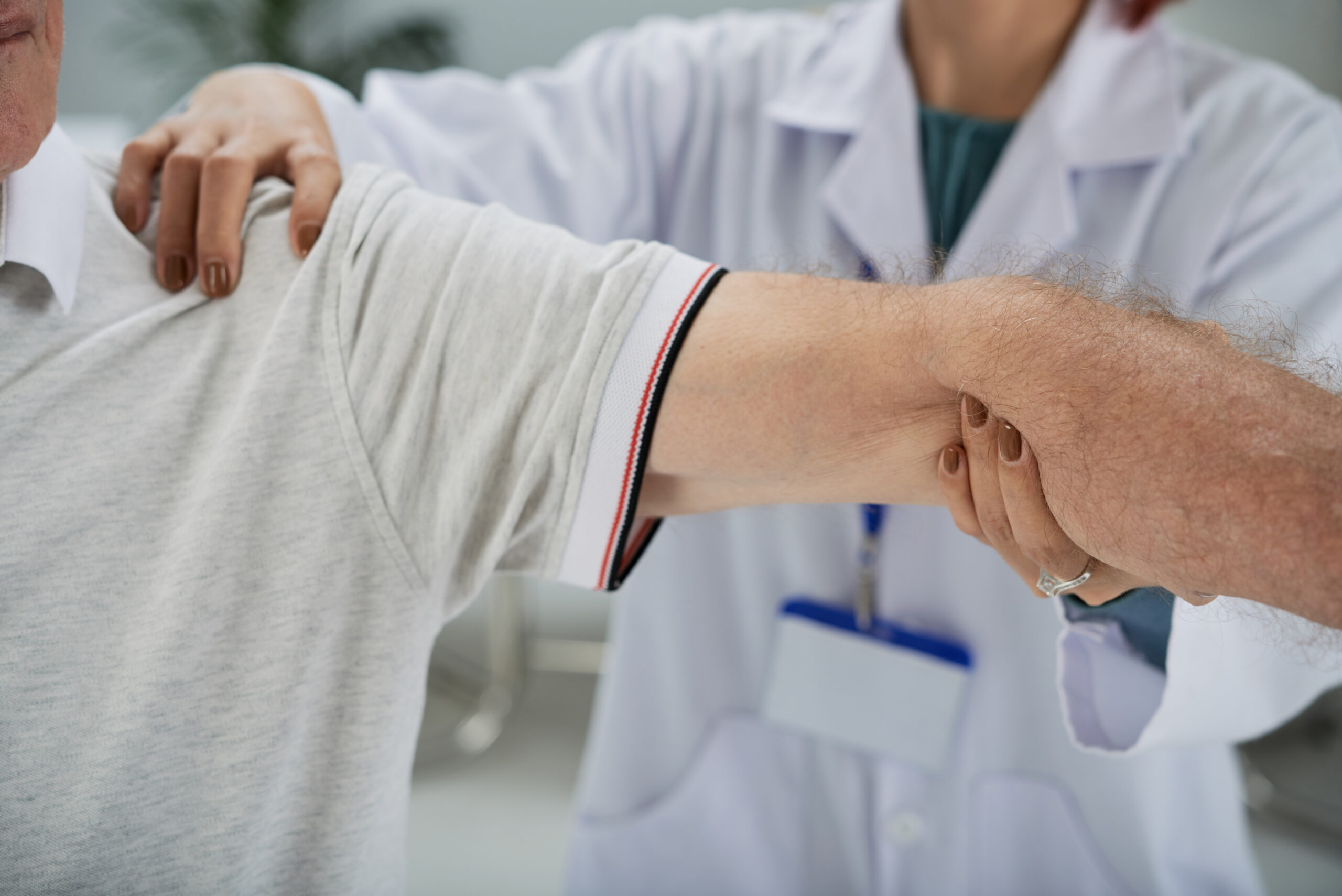
First, your doctor will ask about your symptoms and medical history. Next, they will examine your shoulder. Often, they will order X-rays or MRI scans. These tests help show the damage inside your joint. Sometimes, blood tests are needed to rule out infection. After reviewing all results, your doctor will decide if reverse shoulder replacement is right for you.
The Reverse Shoulder Replacement Procedure
During the reverse shoulder replacement procedure, you will receive anesthesia to keep you comfortable. The surgeon will make a small cut over your shoulder. Then, they will remove the damaged bone and tissue. After that, they will attach the new ball and socket parts. The surgery usually takes about two hours. Most people stay in the hospital for one or two days. Your doctor will explain the surgery risks, such as infection, blood clots, or nerve injury. However, these risks are rare when performed by skilled surgeons.
Recovery and Rehabilitation
Recovery after reverse shoulder replacement takes time. At first, your arm will be in a sling. You may need help with daily tasks. Physical therapy starts soon after surgery. This helps you regain strength and movement. Most people see big improvements within three to six months. However, full recovery may take up to a year. Following your doctor’s advice is key for a smooth recovery. According to the American Academy of Orthopaedic Surgeons, most patients enjoy less pain and better function after surgery.
Lifestyle Tips and Prevention of Further Injury
After surgery, you can take steps to protect your new shoulder. Here are some tips:
In addition, regular check-ups with your doctor can help catch any problems early.
Frequently Asked Questions
When to Consult an Orthopedic Surgeon
If you have ongoing shoulder pain or trouble moving your arm, see an orthopedic surgeon. Early treatment can prevent more damage. If you are considering reverse shoulder replacement in your city, a specialist can guide you through your options. Do not wait if your symptoms get worse or affect your daily life.
Conclusion
Reverse shoulder replacement can help people with severe shoulder damage regain mobility, improve strength, and reduce chronic pain. Although recovery takes time and rehabilitation, many patients experience significant improvement in daily activities and overall quality of life.
If you think you may benefit from this procedure, consult the orthopedic experts at Siva’s Ortho & Sports Injury Clinic for personalized evaluation and advanced treatment guidance tailored to your shoulder condition and recovery goals.