
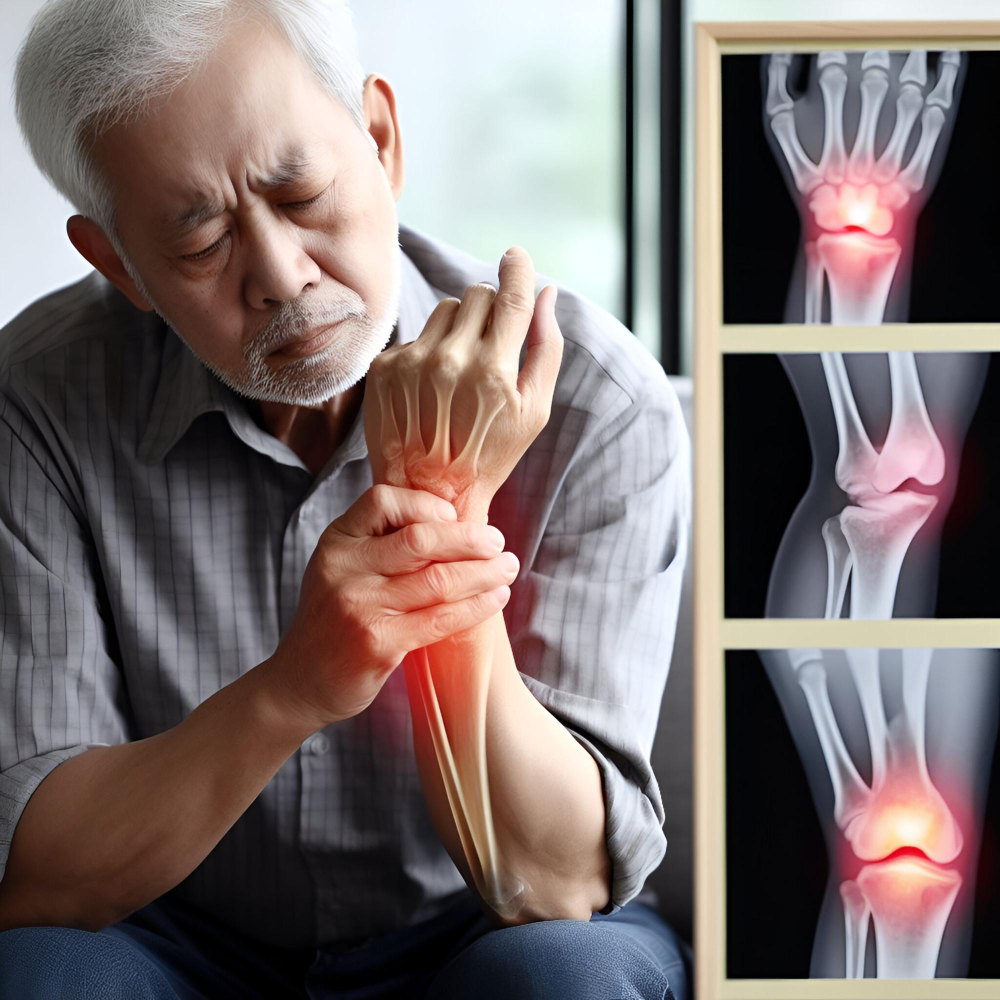
What Is Arthritis?
Arthritis is a common condition that causes pain and swelling in the joints. There are many types of arthritis, and each type affects the body in different ways. While some people may only feel mild discomfort, others may have severe joint pain. Because arthritis can affect people of all ages, it is important to understand the different kinds of arthritis, their symptoms, and treatment options. Early diagnosis and proper care can help manage joint pain and improve quality of life.
Common Types of Arthritis
There are several types of arthritis. Each type has unique features. Below are the most common types:
Symptoms of Each Type
Although all types of arthritis cause joint pain, each type has its own set of symptoms. For example, some types may cause redness or swelling, while others may affect the skin or other organs. Here are the main symptoms for each type:
Causes and Risk Factors
Different types of arthritis have different causes. However, some risk factors are common across many types. For instance, age, family history, and obesity can increase the risk. Here are some causes and risk factors:
According to the CDC, maintaining a healthy weight and staying active can lower your risk of some types of arthritis.
Diagnosis Methods
Doctors use several methods to diagnose arthritis. First, they ask about your symptoms and medical history. Next, they perform a physical exam to check for swelling, redness, or warmth in the joints. Additionally, doctors may use tests such as:
Early diagnosis helps start treatment sooner and can prevent joint damage.
Treatment Options for Each Type
Treatment for arthritis depends on the type and severity. However, most treatments aim to reduce pain, improve movement, and prevent further damage. Here are common treatment options:
For arthritis treatment in your area, consult a local orthopedic specialist or rheumatologist. The right treatment plan can help you manage symptoms and stay active.
Lifestyle Tips and Prevention
While not all types of arthritis can be prevented, healthy habits can lower your risk and help manage symptoms. For example, regular exercise keeps joints flexible. Eating a balanced diet supports joint health. Here are some helpful tips:
Additionally, regular check-ups with your doctor can help catch problems early. The World Health Organization also recommends staying informed about arthritis management and treatment options.
Conclusion
In summary, understanding the types of arthritis, their symptoms, and treatments can help you take control of your joint health. If you have joint pain or swelling, consult an orthopedic specialist at Siva ‘s Ortho & Sports Injury Clinic for personalized advice on arthritis management.