What is Knee Arthroscopy?
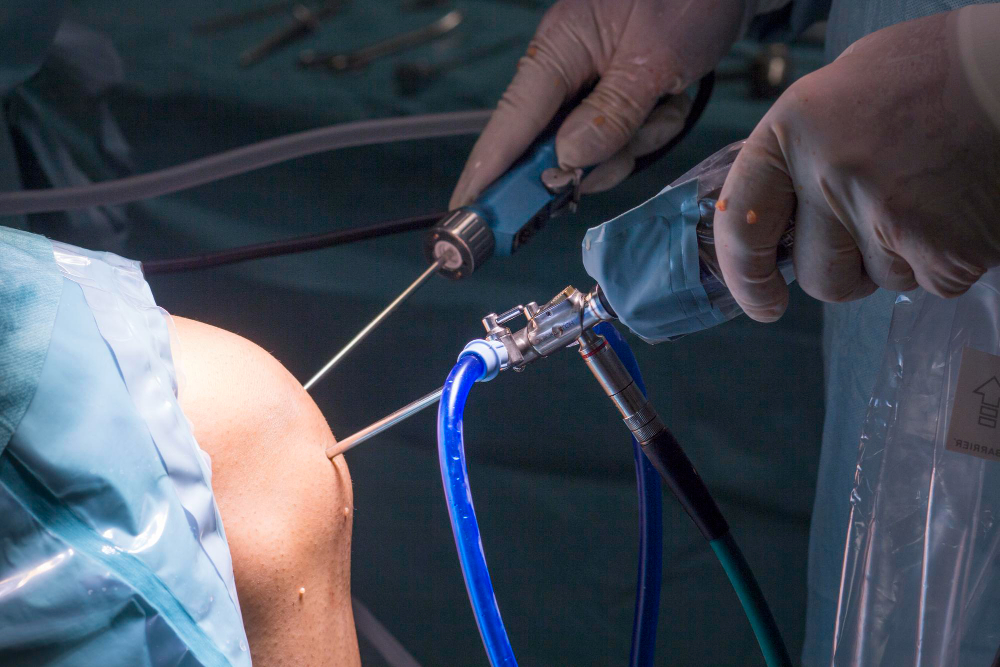
Knee arthroscopy is a minimally invasive knee surgery. Doctors use it to look inside your knee joint and treat problems. During this procedure, a small camera called an arthroscope is inserted through a tiny cut. As a result, doctors can see the inside of your knee on a screen. This method helps diagnose and fix knee issues without large cuts. Because of its small incisions, recovery is often faster than with open surgery.
Why is Knee Arthroscopy Performed?
Doctors recommend knee arthroscopy for several reasons. For example, it helps find the cause of knee pain or swelling. Sometimes, it is used to repair or remove damaged tissue. Common reasons for this surgery include:
Because it is less invasive, many people prefer this option over traditional surgery.
How is Knee Arthroscopy Done? (Procedure Overview)
First, your doctor will give you anesthesia to keep you comfortable. Next, the surgeon makes one or two small cuts around your knee. Through these cuts, the arthroscope and special tools are inserted. The camera sends images to a monitor, so the doctor can see inside your knee. Then, the surgeon repairs or removes any damaged tissue. Finally, the tools are removed, and the cuts are closed with stitches or small strips. Most people go home the same day.
Benefits of Knee Arthroscopy
Knee arthroscopy offers many advantages over open surgery. For instance, it usually causes less pain and has a shorter recovery time. Some key benefits include:
Because of these benefits, many doctors recommend this minimally invasive knee surgery for suitable patients (CDC, AAOS).
Risks and Possible Complications
Although knee arthroscopy is generally safe, every surgery has some risks. However, serious problems are rare. Possible knee arthroscopy risks include:
If you notice severe pain, redness, or fever after surgery, contact your doctor right away. Early treatment can prevent further problems.
Recovery and Aftercare Tips
After knee arthroscopy, most people recover quickly. Still, proper care is important for the best results. Here are some helpful recovery tips:
Because everyone heals at a different pace, always listen to your body. If you have questions about knee arthroscopy recovery, ask your healthcare team.
When to Consult an Orthopedic Surgeon
If you have ongoing knee pain, swelling, or trouble moving your knee, it may be time to see a specialist. Sometimes, knee arthroscopy can help diagnose or treat your problem. Early treatment often leads to better results. Therefore, do not wait if your symptoms get worse or do not improve with rest.
Consult an orthopedic specialist at Siva ‘s Ortho & Sports Injury Clinic for personalized advice on knee arthroscopy.