
Introduction
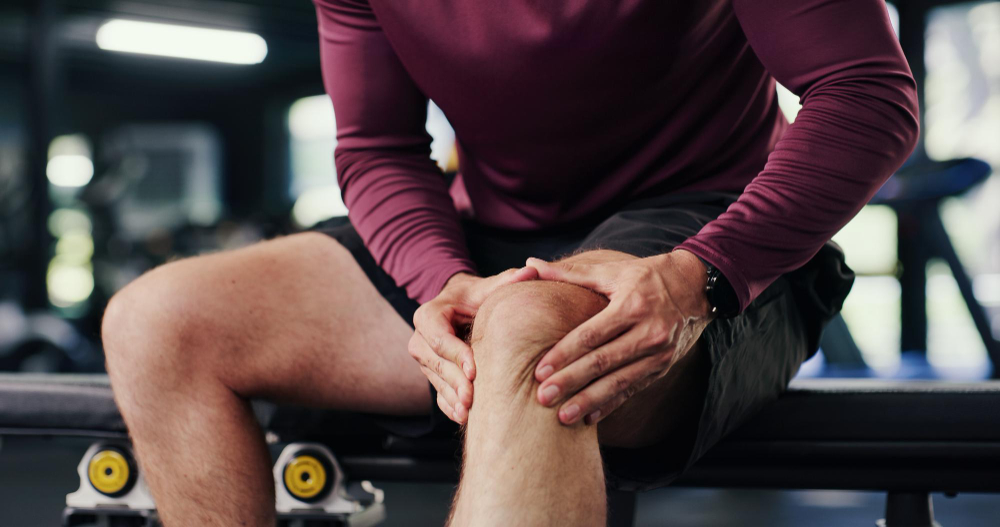
Many people enjoy working out at the gym. However, sometimes injuries can happen. One common problem is a meniscus injury in gym settings. Early signs of meniscus tear can be easy to miss. But, knowing what to look for can help you get the right care quickly. In this blog, we will explain what a meniscus injury is, why it happens in the gym, and how to spot early symptoms.
What is a Meniscus Injury?
The meniscus is a piece of cartilage in your knee. It acts like a cushion between your thigh bone and shin bone. When you twist or turn your knee suddenly, the meniscus can tear. This is called a meniscus injury. Often, gym knee injury symptoms start soon after the injury. But sometimes, they appear slowly over time.
Why Meniscus Injuries Happen in the Gym
Meniscus injuries often happen during gym workouts. For example, exercises that involve twisting, squatting, or heavy lifting can put stress on your knees. In addition, using poor form or lifting too much weight increases your risk. Sometimes, even a small misstep can cause a tear. Here are some common causes:
Early Signs and Symptoms
Spotting early signs of meniscus injury in gym settings is important. Early treatment can prevent further damage. Look out for these symptoms:
If you notice any of these gym knee injury symptoms, pay attention. Early signs of meniscus tear should not be ignored.
When to Seek Medical Attention
Sometimes, mild knee pain goes away with rest. However, you should see a doctor if:
In these cases, it is best to consult an orthopedic specialist. Early care can help prevent long-term problems. According to the CDC, prompt treatment of knee injuries can speed up recovery and lower the risk of arthritis later in life.
Prevention Tips for Gym-Goers
Although meniscus injuries are common, you can lower your risk. Here are some tips on how to prevent meniscus injury at the gym:
For gym-goers in busy cities, crowded spaces can make injuries more likely. Therefore, always be aware of your surroundings and give yourself enough space to move safely.
Conclusion & Call-to-Action
To sum up, a meniscus injury in gym settings can happen to anyone. Early signs like pain, swelling, or clicking sounds should not be ignored. If you notice any early signs of a meniscus injury, consult an orthopedic specialist at Siva’s ortho & sports injury clinic for personalized advice. Taking quick action can help you heal faster and get back to your workouts safely.